
Investor Relations & Media

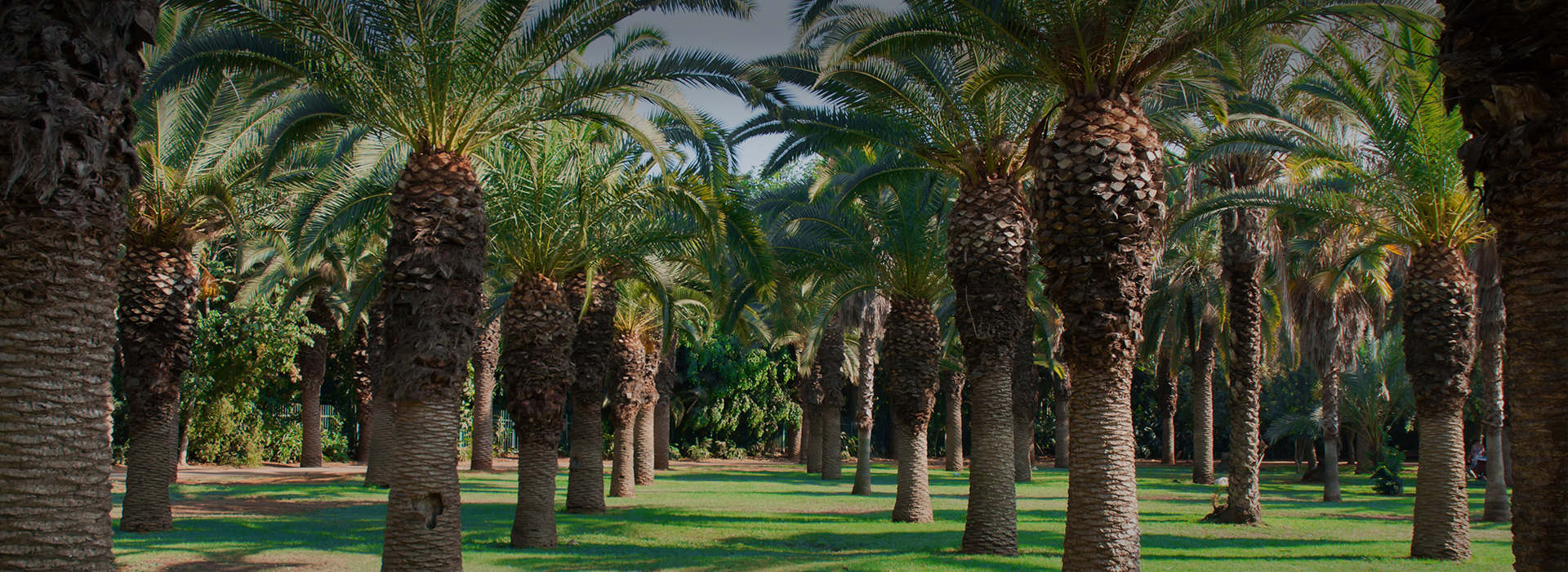
Golden Star Oil Palm Plantation (GSOPP), known is an award-winning social enterprise project operated by a non-profit subsidiary established by Golden Star Wassa Limited (GSWL), and now a subsidiary of Chifeng Gold. Adopting the smallholder model and supported by agroforestry practitioners, the GSOPP project facilitates the development of oil palm plantations within communities surrounding mining areas through collaboration with government authorities and farmers from directly affected communities.
GSWL funds the initiative by contributing USD 1 for every ounce of gold produced. By the end of 2021, more than USD 9.6 million had been channelled into this vital project.
The 16 years of continuous development of GSOPP distinguishes this project among numerous social investment initiatives, featuring enduring viability, a stable funding base, prospective value potential and long-term sustainability.
Since its acquisition by Chifeng Gold in January 2022, Chifeng Gold has demonstrated its core value of “Enabling more people to benefit from the development of Chifeng Gold” through continued support for the GSOPP project.
With support from the United Nations Industrial Development Organization (UNIDO), GSOPP and its smallholder farmers completed audits, procedural optimisation and training, and obtained Roundtable on Sustainable Palm Oil (RSPO) international certification in May 2022 — the highest standard certification for oil palm cultivation worldwide.
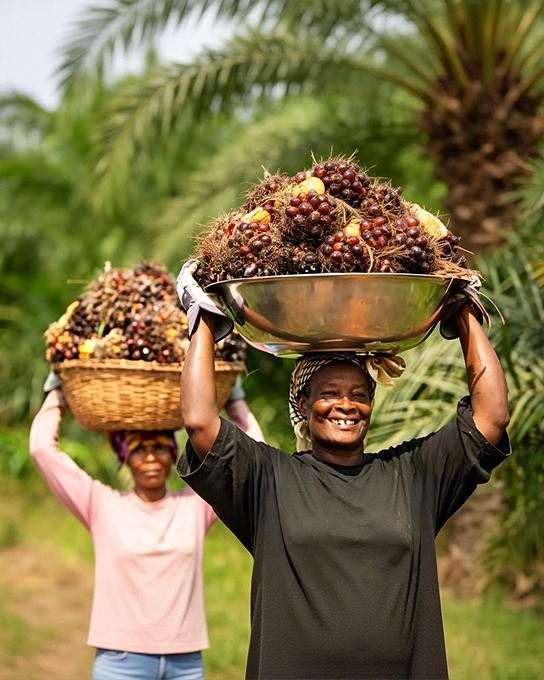
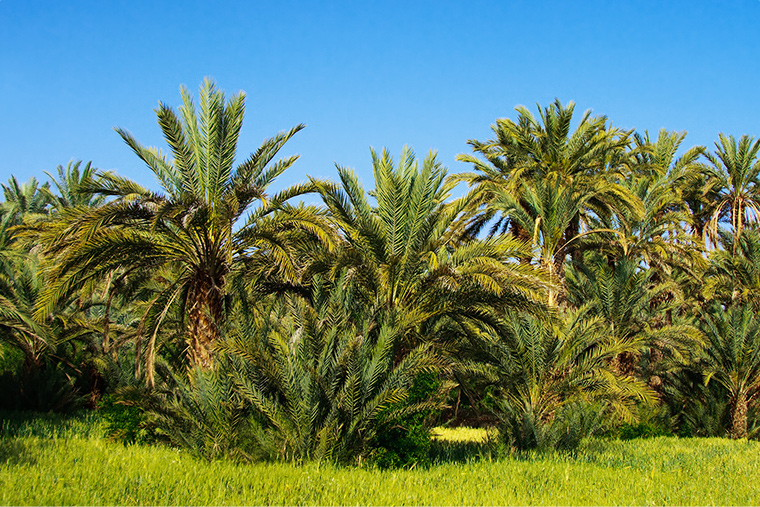


In 2021, GSWL invested USD 1,169,145 in expanding new farmlands under the GSOPP project, contracting new participants and supporting emerging farms. To date, GSWL has provided more than USD 9.6 million in funding to GSOPP. Such investments enable GSOPP to adopt industry-leading agricultural practices for alternative livelihood initiatives.
GSOPP directly employs 806 contract workers and smallholder farmers across 10 communities each year. On average, each employee supports five dependents, meaning GSOPP directly benefits 4,836 people (employees and their dependents) in relevant communities annually.
Farmers participating in the project gain access to agronomic expertise, training and technology transfer.
Capacity-building training covers banking services (100% of GSOPP farmers hold bank accounts), savings, pension planning, health and safety.
In 2021, GSWL invested USD 1,169,145 in expanding new farmlands under the GSOPP project, contracting new participants and supporting emerging farms. To date, GSWL has provided more than USD 9.6 million in funding to GSOPP. Such investments enable GSOPP to adopt industry-leading agricultural practices for alternative livelihood initiatives.
GSOPP directly employs 806 contract workers and smallholder farmers across 10 communities each year. On average, each employee supports five dependents, meaning GSOPP directly benefits 4,836 people (employees and their dependents) in relevant communities annually.
Farmers participating in the project gain access to agronomic expertise, training and technology transfer.
Capacity-building training covers banking services (100% of GSOPP farmers hold bank accounts), savings, pension planning, health and safety.
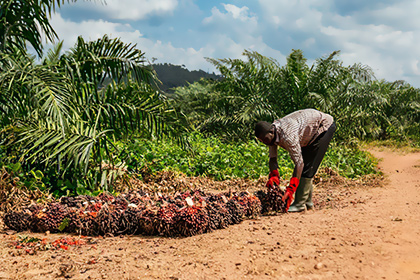
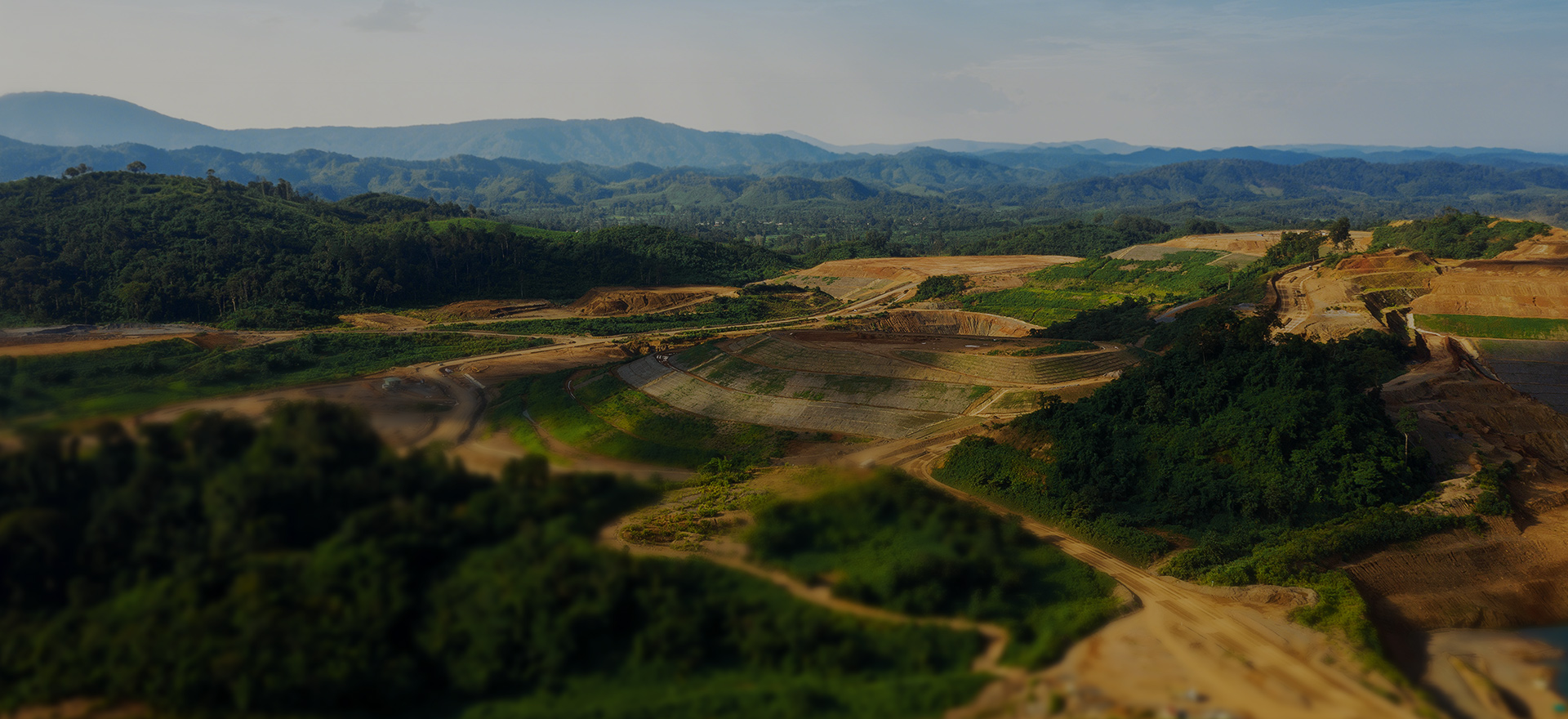
- Under sequential land use arrangements, the GSOPP project has converted 107 hectares of former mining land into commercial oil palm plantations.
- An additional 125 hectares of plantations have been established on disturbed land (Galamsey sites) to restore the land for agricultural use.
- Microorganisms generated by oil palm vegetation continuously improve soil fertility.
- Where cultivation takes place on existing farms, oil palms are planted on a limited scale initially instead of directly replacing all food crops. After food crops mature and are harvested, oil palm cultivation expands into these areas. This approach prevents large-scale displacement and enables farmers to integrate into the oil palm project at a manageable pace.
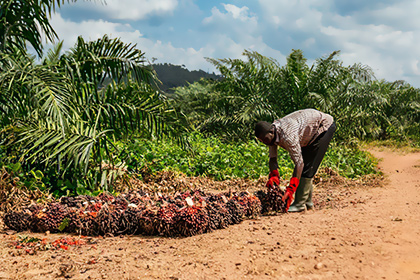
- Sustainable Development Goal 1: No Poverty. The GSOPP project alleviates poverty and generates wealth through sustainable agricultural operations. Implemented in partnership with traditional authorities, affected farmers and agroforestry stakeholders, the project adopts a smallholder model to support the development of oil palm plantations in communities where GSWL operates.
- Sustainable Development Goal 9: Industry, Innovation and Infrastructure. GSOPP only uses quality-verified seedlings rather than wild-sourced varieties, and selects cultivars based on assessments of local climate and soil conditions. In addition to professional advice from the GSOPP team, farmers receive project outreach support from Wilmar BOPP and Solidaridad West Africa.
- Sustainable Development Goal 12: Responsible Consumption and Production. Product transportation to market. Many plantations in Ghana lack sound road transport infrastructure. As the peak fruit harvesting season largely coincides with the rainy season, large volumes of fruit cannot be harvested and delivered in a timely manner, leading to spoilage and loss of income for farmers. At GSOPP, road maintenance forms an important part of overall plantation upkeep to ensure timely harvesting and marketing of palm fruits.
- Sustainable Development Goal 12: Responsible Consumption and Production. Leading practices and industry standards. GSOPP applies Best Management Practice (BMP) standards to oil palm cultivation, including standardizing lease agreements with farmers. The yield of GSOPP smallholder plantations has reached 18 metric tons per hectare — three times the average yield of plantations in Ghana and on par with the global average. Higher yields deliver greater returns to farmers, demonstrating that oil palm cultivation represents a promising livelihood opportunity. Consistent implementation of BMPs has driven the development of the GSOPP project and facilitated its RSPO certification.
- Sustainable Development Goal 17: Partnerships for the Goals. Support from international organisations. GSOPP receives ongoing support from Royal Gold, Wilmar BOPP, the University of Southampton, and two international development agencies: Solidaridad West Africa and Deutsche Gesellschaft für Internationale Zusammenarbeit (GIZ). Drawing on its long-standing relationship with the Wassa Mine and local communities, Royal Gold committed financial support to GSOPP in 2021 with an annual donation of USD 150,000 over five years. Wilmar BOPP and Solidaridad West Africa provide agricultural extension services for GSOPP and participating farmers, including field trials, demonstration plots and soil nutrient testing. GIZ offers technical expertise for poverty assessments and baseline studies, and supports the establishment of a Farmer Business School covering savings, pension planning and other financial management skills. All participating farmers maintain bank accounts for wages and other payments. The University of Southampton conducts continuous research on tailings facilities and provides regular carbon dioxide removal monitoring.
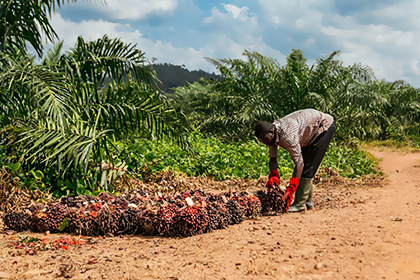
GSOPP has pioneered a distinctive land acquisition approach. Through extensive and in-depth communication and coordination within host communities, GSOPP secures land from local chiefs or landowners. These landowners provide their land and directly benefit from oil palm cultivation. Such partnerships facilitate efficient land resource utilisation, while generating long-term jobs and lifting overall income levels in relevant areas. Selected farmers are influential residents from local communities. GSOPP signs lease agreements with these farmers covering loan repayment, maintenance obligations, farm revenue sharing and other terms to minimise conflicts arising from anticipated changes.
Thanks to this partnership model, land tenure issues associated with large-scale agricultural development have been largely mitigated. Furthermore, plantations are managed under GSOPP’s supervision to guarantee yields for all parties, which encourages the continued provision of land for the project.
While mining companies have demonstrated that cultivation can be carried out on former mining sites, few have proven that such land reuse can be sustainable. Areas restored to planted woodlands are often logged for firewood or charcoal, while secondary forest areas are vulnerable to encroachment by illegal mining or clearance for farmland.
The GSOPP project delivers genuine sustainable development. Through commercial-scale cultivation and operation of oil palm, a high-value cash crop, GSOPP generates substantial benefits for participating farmers, workers and landowners. This prevents the land from being occupied by other low-value or polluting activities.
As an economically viable land reuse initiative, GSOPP further demonstrates that post-mining land reuse can be sustainable and provide a viable livelihood. To date, 107 hectares of plantations have been established on former mining land.
Most mining companies secure large tracts of land around mine sites via compensation arrangements to prevent conflicting developments. However, such land often lies idle and may not be properly managed. There exists an inherent tension between local community farmers seeking land for cultivation and mining companies that are reluctant to dispose of these “buffer zone” lands due to risks including speculation and future compensation liabilities.
Implemented on such buffer zone lands, the GSOPP project unlocks land value with active community participation. It delivers returns to landowners and creates employment for community farmers. Up to 250 hectares of plantations have been established on buffer zone land to date.
- GSWL complies with all mining-related legislation in Ghana and provides the corresponding operational framework for GSOPP. GSOPP operates under the same standards and obtained RSPO certification in May 2022. Policies adopted by GSOPP include:
- Prevention of Child Labour and Forced Labour
This policy reflects GSOPP’s commitment to protecting human rights and fundamental personal freedoms.
The employment of child labour or forced labour will not be tolerated; GSOPP unconditionally prohibits and condemns such practices.
- Anti-Harassment
GSOPP is committed to providing a safe, inclusive and supportive working environment for all. This commitment means that the workplace is free from all forms of discrimination and harassment, with zero tolerance for any violations.
- Inclusion, Diversity and Equal Opportunity
GSOPP strives to advance workplace equality and offers equal opportunities for all individuals to fully realise their potential.
- Human Rights
This policy embodies GSOPP’s commitment to safeguarding human rights and fundamental freedoms. Violations of human rights will not be tolerated. GSOPP supports, respects and commits to the protection of human rights.
- Grievance Mechanisms
GSOPP aims to be an integral part of host communities and builds and maintains strong partnerships based on mutual respect and recognition of mutual rights. It provides grievance channels for stakeholders to protect and uphold their interests.
- Safety, Health and Welfare
GSOPP prioritises and undertakes to protect the safety, health and welfare of its employees. Work-related injuries and illnesses are deemed unacceptable.
- Environment
GSOPP commits to meeting or exceeding regulatory requirements across all plantation operations, while conserving the local environment for stakeholders and future generations.
- Riparian Zone Management
This policy aims to protect riparian ecosystems within proposed and existing GSOPP operational areas through buffer zone establishment and other management measures, sustaining and enhancing the ecological functions of riparian zones for nature and local communities.
- Prevention of Open Burning
This policy seeks to eliminate open burning within areas covered by the GSOPP project and ensure GSOPP’s operations do not cause open burning of any form.
The policy provides a platform for GSOPP to raise awareness among all stakeholders regarding the environmental pollution, health and safety hazards caused by open burning, encouraging stakeholders to conduct themselves responsibly at all times.
GSOPP strives to protect employee safety, health and welfare, conserve the local environment for stakeholders and future generations, and support delivery of the objectives of the Paris Agreement.
- Protection of High Conservation Value (HCV) Areas
This policy applies to GSOPP staff, contractors, smallholder farmers, all other persons entering GSOPP operational areas, and all activities carried out under the GSOPP project.
GSOPP commits to meeting or exceeding regulatory standards across all plantation operations and conserving the local environment for stakeholders and future generations. GSOPP clearly demarcates High Conservation Value (HCV) zones within its operational footprint to preserve ecological integrity and sustain ecosystem services.
- Fresh Fruit Bunch (FFB) Pricing
GSOPP respects smallholders’ rights and purchases Fresh Fruit Bunches (FFB) from them at competitive, fair market prices.
GSOPP is widely recognised as a landmark corporate social responsibility project and has received acclaim from national and international institutions.
- In 2021, GSR received the inaugural ESG Producer Award at the Mines and Money Outstanding Achievement Awards, which recognises performance in sustainable development and ESG strategies.
- In 2018, GSR was awarded the Best Corporate Social Investment Award at the Ghana Mining Awards in recognition of achievements delivered by GSOPP.
- Also in 2018, GSR won the prestigious PDAC Environmental and Social Responsibility Award. When presenting the award, the PDAC Board specifically cited GSOPP, commending the project for expanding operations onto former mining areas and enabling local smallholders and future generations to benefit from oil palm cultivation.
- In a 2016 report funded by the UK Department for International Development (DFID), the European Centre for Development Policy Management (ECDPM) noted that GSR “engages with host communities in a highly pragmatic manner” and described GSOPP as an “ingenious solution”.
- The GSR Farmers’ Association received the Regional Best Agricultural Organisation Award from Ghana’s Ministry of Food and Agriculture in 2014, 2017 and 2018.
- In 2008, Nedbank Capital awarded GSR the Green Mining Award in recognition of the creation and ongoing contributions of GSOPP. GSR became the first non-South African company to receive the Nedbank Capital Green Mining Award.